Project 1: Sprouting and Compost Research

Project 1: Sprouting and Compost Research

Introduction

With the objective of beginning somewhere, in a simple local fashion with what we could get our hands on and a whole bunch of theories and ideas about how we could best germinate seed, the bullet was bitten and hands got filthy and a large bunch of seeds were placed in various soil/compost/fertiliser mixes. Because research has to start somewhere, and we need a mark to begin with and see what is fortunately possible around us.

Seeds used were locally sourced from a good farm, the intention being to see what happens growing what we can source locally. All the Compost, manure and Fertilisers used were locally sourced and organic. A main objective of this first project was to evaluate the viability of growing seeds into small plants in a secure location and then transporting and transplanting those small plants out into the field on the farm.


Aims and Objectives

The aims of this project was to gather data on the effects the grow medium has on the seeds (after transplanted out of grow pots the plants were no longer exposed to differing grow mediums)

The below table shows the data collected from the sprouting medium test. The data consist of 10 combinations of growth mediums and two planting dates/ planting sessions.

  • 7 combinations of the growth medium used in the first planting session – 1/3/2021
  • 3 combinations of the growth medium used in the second planting session – 19/3/2021
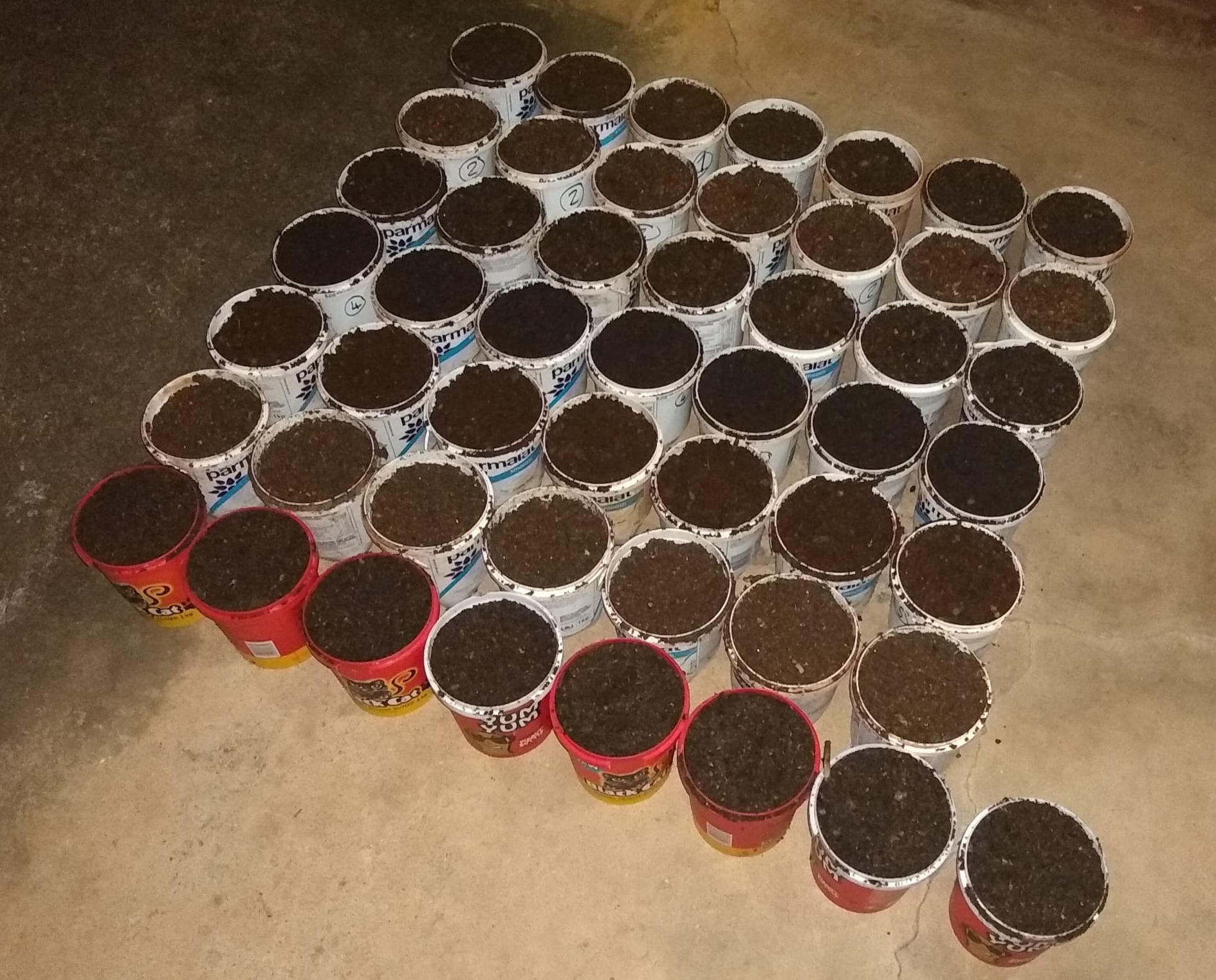
 

Taken 12th March 2021
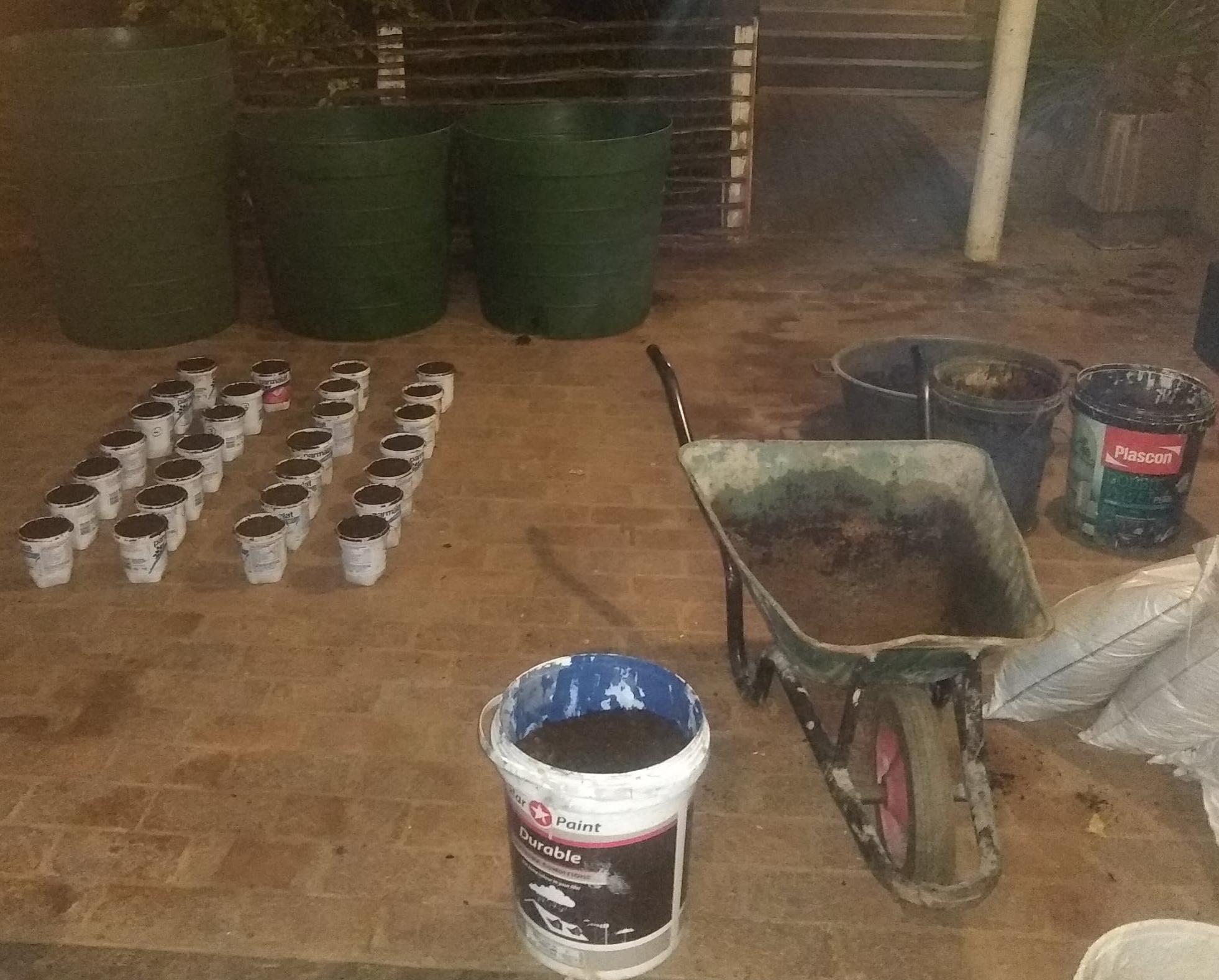
 

Taken 12th March 2021
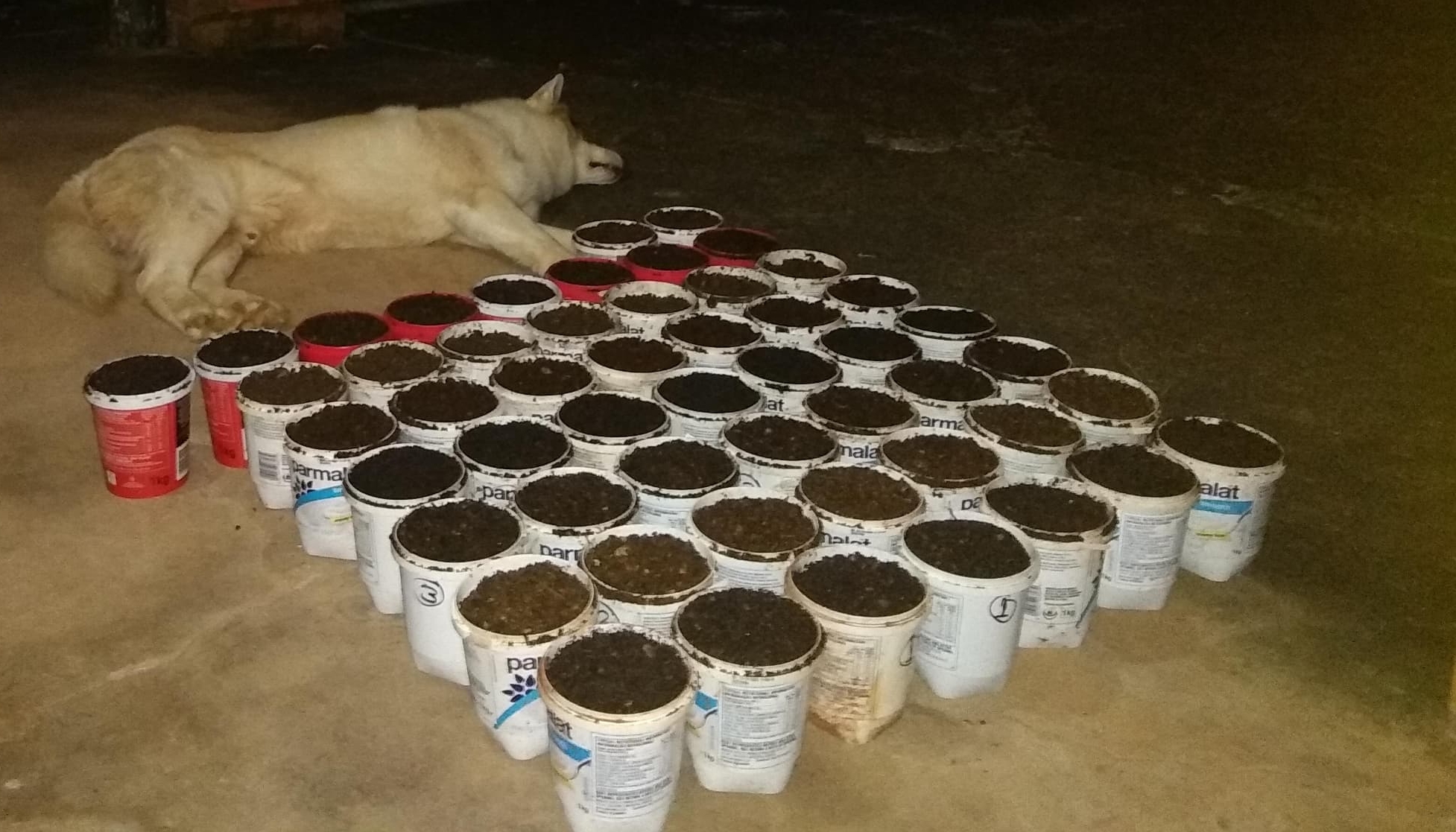
 

Taken 12th March 2021


Sprouting Medium Test: 1/3/2021

Test # 7 combinations of grow medium No. of Pots No. of Sprouts No. Transplanted Comments
1 Compost 2/3 Sand 1/3 7 6 6
2 Manure 2/3 sand 1/3 7 1 1
3 Manure 1/2 Compost 1/2 7 1 1
4 Compost 7 7 7
5 Manure 7 0 0
6 Sand 1/3 Fish mud 1/3 Manure 1/3 7 3 3
7 Compost 1/2 Manure 1/2 8 3 not Transplanted to big buckets
8 Swazi gold seeds in Dom mix 2 none not
Total’s 52 21 18  


Sprouting Medium Test: 19/3/2021

Planting session no 2
60 pots total
Mix masala NK”21 (Fresh seeds)

Test # 3 combinations of grow medium No. of Pots No. of Sprouts No. Transplanted Comments
1 20 pots Pure Compost (no holes in pot bottoms) 20 17
2 20 pots Compost, Manure, Fish mud 20 16
3 20 pots Dom’s Special aged Buhleni Compost 20 19
60 52 transplanted 31 on left 21 @ mix masala


Sprouting Medium Test: Egg Box Experiment

Planting session no 3
30 holes total
Mix masala NK”21 (Fresh seeds)

Test # Grow Medium No. of Seeds No. of Sprouts No. Transplanted Comments
1 egg box 30 holes in egg carton, pure compost 30 20 4 transplanted to pots /mgadlela Heatstroke/soil dried due to low soil amount??

Notes on Products Used

  • Compost is the shop bought mix from local garden shops
  • Manure is horse manure from local farm
  • Fish mud dried sediment from aquaponics tank
  • Sand used was procured from local river


Seed source
Seeds used in this grow operation were a “mix” of seeds collected between the researcher and the farmer.


Partnership Programme

This learning process and introduction of a new technique was initially received with some scepticism, however the benefits of using pots, germination small number of seeds and ‘doing research’ has been adopted on the farm and our new idea of using organic fertilisers and transplanting from pots into the ground is proving useful on the farm. The farmer to this day is using the techniques.


Conclusion

The Total transplanted over all three tests was 53 plants. What we have discovered from our growing medium research was that the best combinations of grow mediums were: Number 4 with 100% success rate of germination followed by  number 1 with 86% success rate of germination.


There is a case for the growing medium to be observed during growth. According to our findings: compost is an excellent starter and, can be used on its own, contrasted with manure which is too potent and bad for seeds at an early stage of germination. More data needs to be collected about the properties of available fertiliser.


The availability of a good potting soil for starting growth is a problem in this climate. The recipes are generally unknown and non specific to cannabis. Most farmers seem to have created a recipe which they can sustain and includes portions of manure (varied sources) and dark loose soil found ‘on the farm (in our case from underneath an indigenous tree/forest).


A main aim to be achieved using the pot method is to prevent death of babies. The small plants withstood the transporting and transplanting phase of the project well, no losses were recorded from the relocation phase of the grow, which was a success for the project.
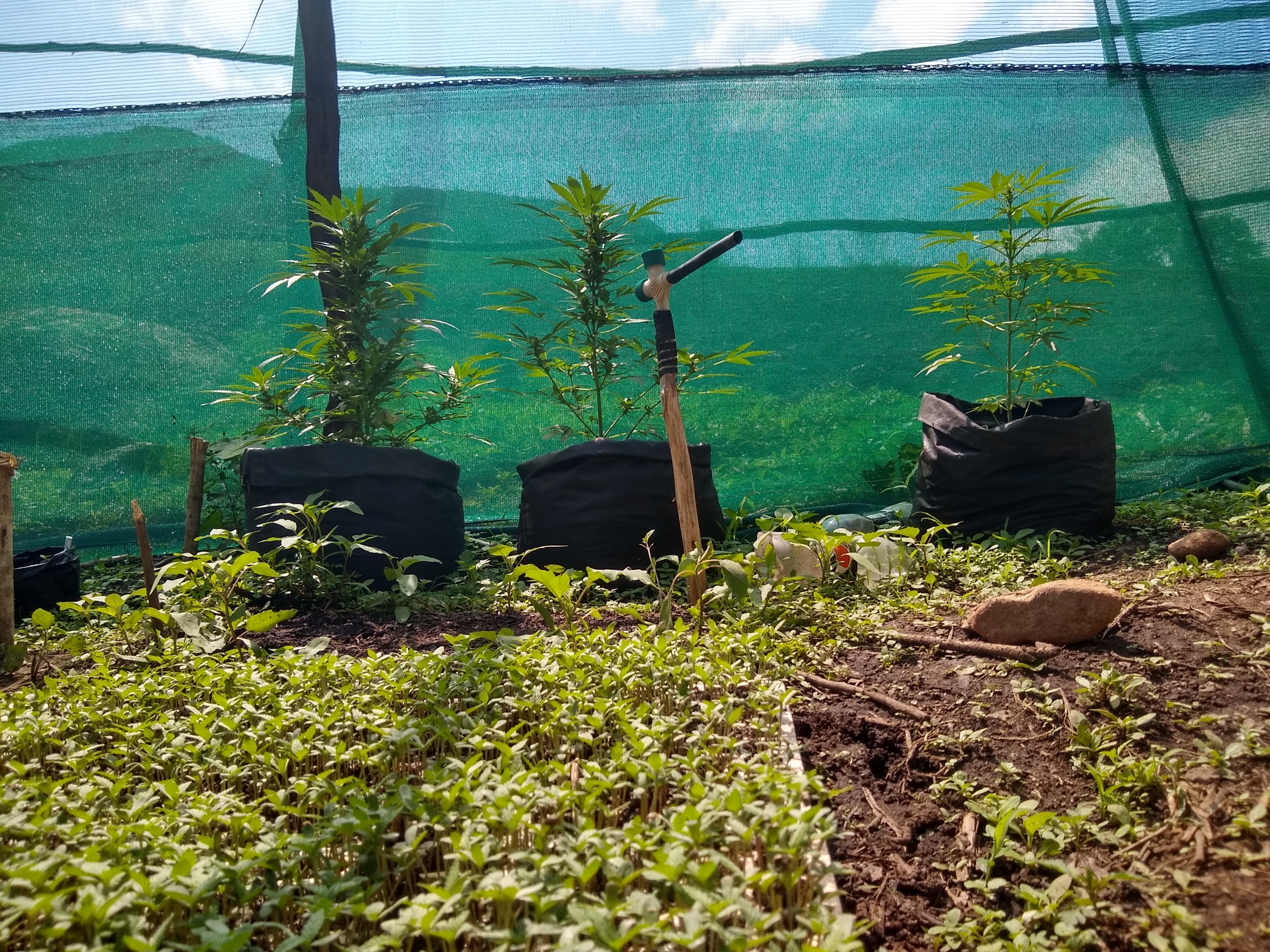
Introduction: Partnering with a Local Farmer

Introduction: Partnering with a Local Farmer

Mgadlela Farm


Magedlela farm is located in the Hhohho region of Eswatini, in the Ntsieni community, it is a sort of middle veld area facing east towards the lowveld. The farm is small and operated by 1 person, as many are here, and consists of approximately 4 hectares of fields depending on the season and availability of good seeds. The number of ‘fields’ has increased gradually since 2019, and Hemp Nation’s addition of fencing and water pipes around the entire property has allowed more traditional agricultural crops to be added to the farm.


In this report, we cover 8 projects which were carried out with the farmer as a participant in our research. We are farming, in a research capacity, using organic fertiliser and developing outdoor soils and techniques with experimental seeds.


This chapter covers many projects overall in this report. In terms of the relationship with the farmer we encompass all activities.


Partnership Programme


Hemp Nation’s core principles include Agricultural Development, Research and Education. Because of this we take our impact on the lives of everyone we partner with very seriously. In this case it is a local farmer with a piece of land that  has minimal development with only a small building and fields. The farm is a single family homestead which is operated in a subsistence capacity with the whole livelihood of the family dependent on the outcome of the harvest and successful sale of produce, namely cannabis. 


This is a very typical situation all over Eswatini. Because of these ‘stereotypical’ characteristics Mgadlela is a perfect candidate for developing a working relationship which secures the future of the farmer and his family. Through working with hemp and diversification of farm practices, research in the Partnership Programme would have valuable outcomes for both parties in a long-term building capacity. Research and information flow will build a more holistic understanding of the future industry for the farm and a more complete understanding of the ongoing local situation.  


Discussions have already begun with expanding Mgadlela’s role and starting a training programme whereby an apprentice is employed to learn to farm under the watchful eye of the head grower on the farm.


Aims and Objectives


The initial objective, in brief, was to create a mutually beneficial relationship with a farmer. Part of the research was to find out what the needs of local producers are, and how an incoming entity can be of assistance without ‘taking over’.


The first need identified was based around securing the crop, improving yield. We decided installation of proper fencing securing the property from marauding local goats and cows is the solution. 


The second need identified was proper irrigation; many man-hours are spent moving pipes and sprinklers between fields and within fields. 


The third need identified and ongoing project is around propagation and reducing losses in the first phase of growth.


The long term aims and objectives of this project for Hemp Nation also include; growing hemp, securing product knowledge that we have created for Hemp Nation to use, create our own strain and grow unique plants that we can use in the future, secure seed supply (our plants successfully grown have provided us with seed), and promote organic fertiliser and farming methods.


Supplies Provided to Farmer


Equipment Type of Spend Comments
Fencing 1st phase spend Greenhouse Completed in June
Shade cloth 1st phase spend Greenhouse Completed in June
Water pipe 1st phase spend Greenhouse Completed in June
Timber Poles 1st phase spend Greenhouse Completed in June
Worm Tea/Manyolo Ongoing cost Nutrients plan has been diversified with fish manure, kelp extract and organic chicken wee
Water Testing Kit equipment investment (once off) Still to be completed, PH Soil tester on site
Scissors/Bags/Jars/

Labels/

Ongoing cost Small amount was spent at the beginning, grow bags were traded, labels were recycled, jars were recycled


Conclusion


In conclusion, the farm has benefited from upgrades and investment into basic infrastructure and continues to operate into the second year. 


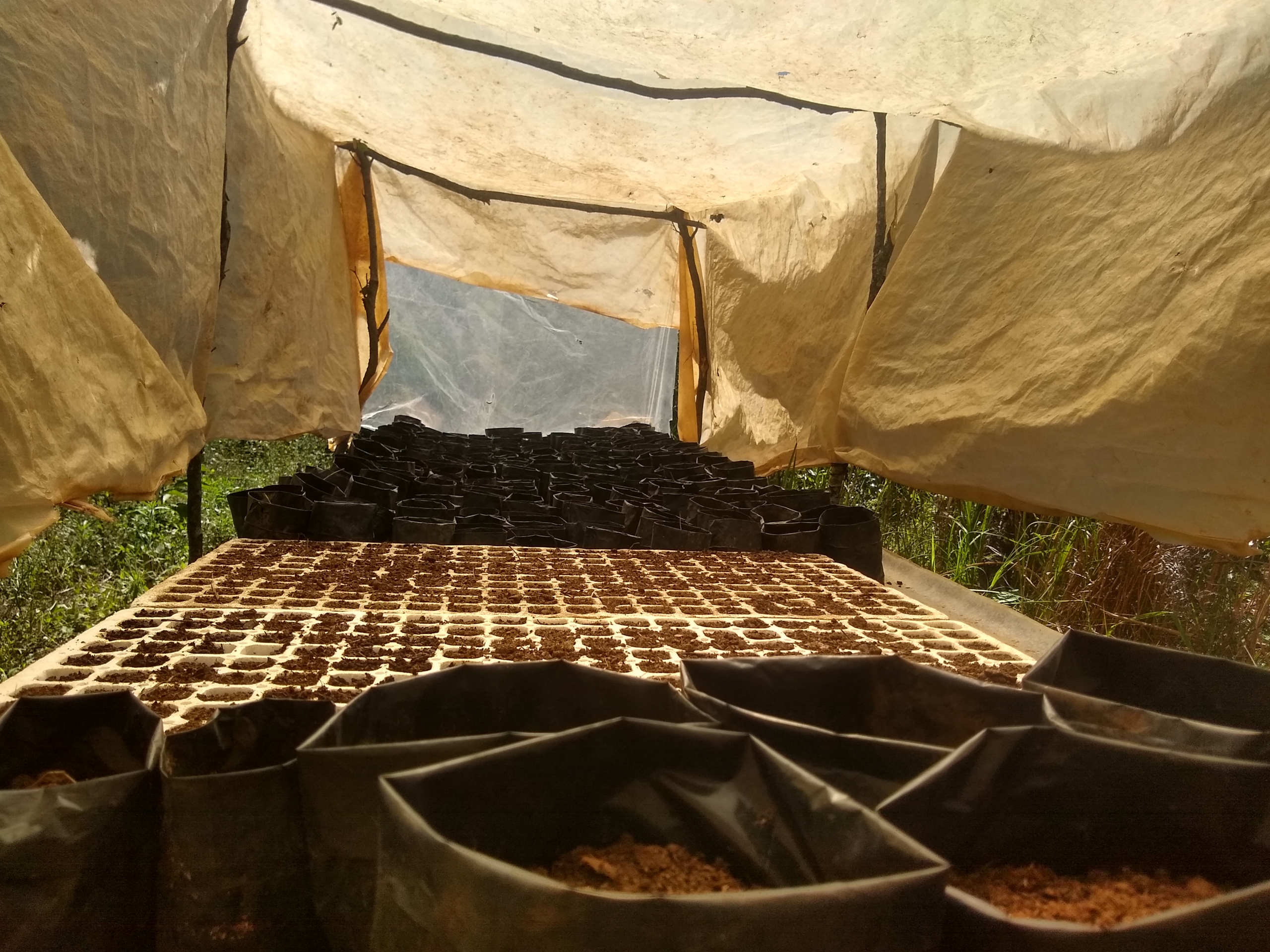
The investment has drastically improved life on the farm introducing seedling trays for all crops and allowing young plants a strong start in the greenhouse. Reports from seedling to field were very positive with few casualties and good growth after transplanting.


Taken 31 Oct 2021


Taken 13 Nov 2021


The greenhouse has helped enormously and the use of plastic sheets and bottles to create mini-greenhouses is producing good results. Improvements in plant consistency are being sought through the development of cloning knowledge.  


Fencing provides protection from cattle allowing the farm to utilize space more effectively without fear of marauding local cows and goats. 


Water pipes running through the farm have drastically improved irrigation capability spreading to all corners of the property.


Hemp Nation considers this project so far to have been a success despite stagnant legislation and other difficulties. 


We have managed to exchange knowledge bilaterally. As described above with our success in fencing, irrigation and propagation; we believe the bulk of our aims were achieved and we look forward to the expansion of our impact in the coming year. This project is envisioned to be renewed annually for a minimum of two years, we will continue to assist the farmer in the following year (2022) with monthly stipends, equipment and shared knowledge programmes. 


We have collected a surprisingly large amount of data through projects that we were able to run through this partnership. Pictures, videos and written records which we will use in the creation of educational material and research reports.


Cash Crop

Hemp is moving into a more medicinal role than it has been in recent history, it is going back to its roots with new research emerging on its medical benefits.